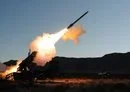
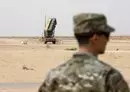
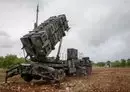
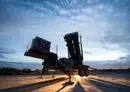
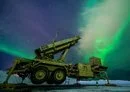
![The PAC-3 MSE is a highly sought-after air defense munition due to its advanced capabilities and versatility. As a next-generation interceptor, it offers improved range, speed and maneuverability, making it an effective counter to a wide range of threats, including tactical ballistic missiles, cruise missiles and aircraft. [US Army]](/ssc/images/2026/07/13/56820-_169a__patrot_pac-3-600_384.webp)
The Patriot PAC-3 Interceptor emerged as one of the most consequential weapons systems deployed during Operation Epic Fury in 2026.
As Iran launched successive waves of ballistic missiles targeting installations, PAC-3 batteries responded with remarkable precision throughout the theater.
Intercept rates exceeded pre-campaign projections, with PAC-3 systems successfully neutralizing many inbound threats before reaching their targets.
The system's hit-to-kill technology relies on direct body-to-body impact rather than proximity detonation to destroy incoming missiles.
This method proved extremely effective against the Shahab and Fateh missile families, denying Tehran the psychological impact it sought from its arsenal.
Layered defense and rapid resupply
Beyond raw intercept numbers, the PAC-3's performance during Operation Epic Fury validated years of investment in layered air and missile defense architecture.
Operating alongside THAAD and naval SM-3 batteries, PAC-3 served as the terminal-phase backstop of a multi-tiered defensive umbrella.
US commanders credited the system's rapid engagement sequencing and its ability to handle simultaneous multi-axis salvos as critical factors in protecting forward-deployed forces.
The campaign demonstrated that PAC-3 remains indispensable in high-intensity conflict environments where adversaries field large inventories of ballistic missiles.
The remarkable success of PAC-3 was made possible in part by a deliberate expansion of domestic production capacity beginning in 2025.
Recognizing inventory shortfalls, the Department of War accelerated PAC-3 MSE (Missile Segment Enhancement) production.
Annual output increased by approximately 40 percent, with additional investments in workforce expansion, supply chain hardening and component pre-positioning reducing lead times significantly.
By early 2026, the production surge had translated into measurable stockpile growth across all combatant commands.
Army air defense artillery brigades received priority allocations, and pre-positioned war reserve stocks in the CENTCOM area of responsibility (AOR) were replenished to high levels.
Procurement contracts also locked in multi-year production runs, providing industrial base stability, ensuring that manufacturing surges could be sustained well beyond the immediate conflict horizon.
Following high expenditure rates recorded during the opening phases of the campaign, US Transportation Command executed a rapid replenishment campaign to restore PAC-3 inventories.
Utilizing a combination of strategic airlift and pre-positioned maritime assets, replacement interceptors were delivered to forward firing units within days of initial expenditure.
Logistics planners leveraged pre-negotiated host-nation support agreements and expanded ammunition storage facilities established during the 2025 production ramp-up to streamline the resupply chain.
The speed and efficiency of this replenishment effort ensured that PAC-3 batteries maintained continuous operational readiness throughout the campaign.