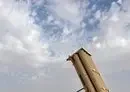
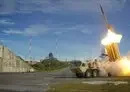
![A soldier from a Terminal High Altitude Area Defense (THAAD) battery stands in front of a launcher that is emplaced and prepared to launch interceptors to counter ballistic missile threats at a location in the CENTCOM area of responsibility. [US Army]](/ssc/images/2026/03/05/54863-8189234-600_384.webp)
Few days ago, Middle East tensions escalated as Saudi Arabia and Gulf partners faced Iranian missile and drone strikes targeting US bases and civilian infrastructure.
The Kingdom's air defense shield, largely powered by American-built weapons systems, proved critical by intercepting incoming threats and protecting Saudi territory.
Their performance underscored the United States' technological edge and emphasized the strategic value Washington delivers to its Gulf security partners.
Ongoing collaboration is essential to ensure regional stability and protect many shared security interests.
Saudi air defenses and US systems
The Kingdom's advanced air defense network, powered by cutting-edge American-built systems, has been pivotal in intercepting ongoing threats and protecting Saudi territory.
The success of recent intercepts during Iran's offensive underscores the superiority of United States-made defense systems. It also showcases the impressive operational coordination that defines the entire US-Saudi defense relationship.
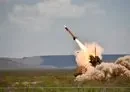
American-designed systems, such as the Terminal High Altitude Area Defense (THAAD) and MIM-104 Patriot missile interceptors, form the backbone of Saudi's integrated air defense network.
These systems operate in synergy to create a multi-layered structure, enhancing interception capabilities through advanced radar networks and real-time coordination.
Their strategic deployment represents a crucial component of the Kingdom’s national security framework.
During the recent wave of Iranian aggression, Saudi authorities confirmed the interception of all ballistic missiles targeting critical military infrastructure prior to impact.
This outcome highlights not only the effectiveness of these systems but also the importance of training and interoperability, key pillars of the US-Saudi defense
The effectiveness of American defense systems in countering complex modern threats is rooted in their multi-faceted architecture, which enables detection, real-time tracking and coordinated engagement.
US-supported training programs have been instrumental in Saudi Arabia's ability to operate these assets. Logistics partnerships also ensure they can effectively sustain systems like THAAD and Patriot PAC-3.
Strategic cooperation between the two nations enhances Saudi Arabia's defensive posture by integrating technological upgrades, streamlining command systems, and improving joint readiness.
Furthermore, this partnership highlights a shared commitment to protecting critical infrastructure, regional economies, and civilian lives. It strengthens Gulf security partnerships while reinforcing stability and ensuring the defense of allied nations across the region.
The US-Saudi relationship extends well beyond defense, reflecting a shared pursuit of regional stability, prosperity and economic development.
This partnership safeguards Saudi Arabia's sovereignty while reaffirming the United States' enduring commitment to supporting its allies in a strategically vital region.
By anchoring its security infrastructure in advanced American technologies, Saudi Arabia underscores the depth of this collaboration.
This alliance conveys a powerful message: the US-Saudi partnership is founded on mutual strength, trust, and shared priorities, ensuring long-term regional stability and cooperation.
America and Israel are working for their own interests, and they are enemies of Islam. Saudi Arabia and all the Gulf states are investing billions in America, and of course that benefits Israel. O Lord of the Worlds, may the Gulf states wake up! Your enemy is the enemy of your religion!
ReplyYes, the brotherly Kingdom of Saudi Arabia has a very strong economy, and it can acquire such powerful weapons in order to defend itself, its soil, and its sovereignty in the region.
Reply