![Vessel transits of the Strait of Hormuz. [Data credit: JMIC]](/ssc/images/2026/07/23/57171-car041farsi-600_384.webp)
The Strait of Hormuz remains one of the world's most important maritime chokepoints, carrying significant energy shipments and commercial cargo between global markets.
Around one-fifth of globally traded petroleum passes through the narrow waterway, making uninterrupted navigation essential for economic stability and international commerce.
Throughout history, regional tensions periodically threatened commercial shipping, reinforcing the necessity of sustained multinational maritime security and freedom of navigation operations.
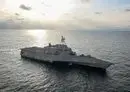
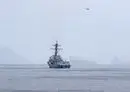
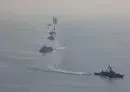
US Central Command (CENTCOM), working alongside allied and partner naval forces, continues deterring aggression while protecting international shipping routes that support the global economy.
Traffic rebounds under enhanced security
Data published by the Joint Maritime Information Centre shows a remarkable recovery in vessel movements during late June and early July 2026.
After fewer than 20 daily transits during heightened uncertainty, combined eastbound and westbound movements consistently exceeded 40 vessels before climbing above 50 during peak periods.
On June 24, approximately 54 vessels completed open transits, representing the strongest daily performance since earlier regional disruptions began.
The chart demonstrates balanced growth rather than isolated improvements, with inbound western transits and outbound eastern movements increasing simultaneously across multiple consecutive days.
Such sustained activity suggests commercial operators regained confidence that vessels could safely navigate one of the world's busiest maritime corridors.
For thousands of professional mariners, increased traffic represents more than encouraging statistics because visible security reduces uncertainty throughout every voyage.
Reliable protection allows shipping companies to plan schedules confidently while minimizing costly delays created by elevated regional risk assessments.
Partnerships strengthen regional stability
Maritime security succeeds through cooperation, intelligence sharing and persistent presence rather than isolated national efforts across complex international waterways.
The Joint Maritime Information Centre exemplifies multinational coordination by distributing timely maritime awareness that supports both military planners and commercial operators.
Security improvements also deliver measurable economic benefits beyond the region, helping stabilize transportation costs and strengthen increasingly interconnected global supply chains.
Lower operational risk can reduce insurance expenses, encourage additional commercial sailings and improve delivery reliability for industries worldwide.
The gradual reopening of the southern transit corridor further expanded routing flexibility while reflecting continued efforts to improve navigational safety for international shipping.
Advisories encouraged normal transit procedures with standard communications and safety practices, reinforcing confidence among commercial operators.
The Strait of Hormuz's renewed activity demonstrates how persistent allied cooperation, advanced maritime capabilities and credible deterrence safeguard international commerce.
The effort reinforces the United States as the partner of choice for regional security and cutting-edge technological innovation.