![Ministers attend the Gulf Cooperation Council (GCC) meeting to reaffirm cooperation, strengthen collective security and address challenges affecting Gulf stability. [Yasser Al-Zayyat/AFP]](/ssc/images/2026/06/10/56462-_151__gulf_cooperation_council-600_384.webp)
The Gulf Cooperation Council (GCC) remained united following the recent Kuwait airport incident, reinforcing its longstanding commitment to collective security and regional stability.
The incident occurred months after the GCC's 50th Extraordinary Ministerial Council meeting, which addressed regional security concerns.
However, Gulf nations responded in ways that reflected the principles established at that gathering and in subsequent cooperation efforts.
Those principles emphasized collective security, mutual defense and a shared commitment against external threats targeting member states.
The council's earlier meeting reviewed damage caused by Iranian missile and drone attacks across several GCC countries.
Ministers condemned the attacks and reaffirmed that the security of every member state remains indivisible.
That message continues to resonate following the Kuwait airport incident, as Gulf states maintain a unified position.
Officials have consistently opposed actions threatening regional stability, civilian safety and the security of critical infrastructure.
The GCC maintains that any attack against one member state constitutes an attack against all members.
That position is rooted in the GCC Charter and the Joint Defense Agreement, which guide regional cooperation.
The framework continues shaping coordination among Gulf nations as they address ongoing security challenges together.
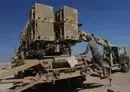
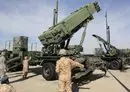
Member states have strengthened defensive measures protecting civilians, critical infrastructure and economic interests throughout the region.
Officials also emphasize safeguarding regional airspace, maritime routes and international supply chains supporting global commerce.
The ministerial council previously praised member states' armed forces and air defense systems for their readiness.
Those forces successfully intercepted missile and drone threats while limiting damage to civilian facilities and infrastructure.
Their effectiveness demonstrated the value of coordinated defense efforts among GCC countries facing common threats.
Gulf leaders have also highlighted extensive diplomatic efforts aimed at preventing escalation and preserving stability.
Despite those efforts, attacks targeting GCC territory and civilian locations prompted renewed calls for de-escalation.
The council stressed the importance of immediately ending attacks threatening security, peace and regional prosperity.
Officials further warned that continued aggression could undermine economic stability and broader regional confidence.
Following the Kuwait airport incident, GCC nations continued demonstrating the solidarity outlined during the extraordinary ministerial meeting.
Their collective response highlighted a longstanding commitment to defending sovereignty and protecting civilian populations.
The unified approach also reinforced Gulf cooperation to promote lasting security throughout the region.

The Gulf Cooperation Council (GCC) agreed on a joint defense against any attack on its member states. The Council meeting affirmed a joint defense strategy against threats targeting member states, focusing on collective security and mutual defense against foreign threats. The Council reviewed the damage caused by Iran through its missile and drone attacks on a number of GCC members, and the Council remained united following the targeting of Kuwait International Airport, reaffirming its commitment to collective security. It also confirmed that the security of each member state is inseparable from the security of the region. The Council successfully countered the threats posed by missiles and drones. Its collective response highlighted a firm commitment to defending sovereignty, protecting civilians, and strengthening lasting security throughout the region.
Reply