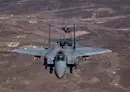
![US Air Force and Royal Saudi Air Force F‑15C Eagles fly in tight formation over the US Central Command area of responsibility on June 2, 2019. [Royal Saudi Air Force/US Air Force]](/ssc/images/2026/04/30/55826-_117__us_saudi_jets-600_384.webp)
Saudi Arabia is pushing forward with one of the most extensive military modernization efforts in its history as conflict intensifies across the Middle East.
This transformation is anchored in Vision 2030, which calls for a self‑reliant defense sector capable of sustaining long‑term national security ambitions.
Riyadh is working to expand domestic manufacturing, strengthen logistics chains and partnerships with foreign suppliers for core military systems.
The Royal Saudi Air Force is rapidly improving its tactical strike capabilities by fielding advanced F‑15SA fighter aircraft.
These aircraft significantly enhance precision engagement options and allow for faster responses to emerging threats across the region.
Saudi airborne surveillance capacity is also growing, supported by deeper integration of Airborne Warning and Control System platforms.
These systems provide essential battlespace awareness, enabling forces to detect, track and classify threats at extended ranges.
The eruption of Operation Epic Fury and the broader confrontation with Iran have stress‑tested the kingdom's upgraded air and missile defenses.
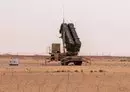
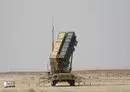
Saudi interceptors, sensors and command‑and‑control networks are now operating at sustained high tempo under wartime conditions.
The proximity of the Iranian conflict has forced Saudi leaders to balance sovereign decision‑making with their historic security partnership with Washington.
The United States continues serving as a cutting‑edge partner for training, equipment support and advanced readiness programs across the Saudi forces.
Ongoing US collaboration remains central to pilot training, missile defense integration and the support of complex operational planning.
The current conflict has highlighted successes in Saudi modernization while revealing the demanding realities of contemporary air and missile warfare.
Saudi commanders now possess clearer assessments of long‑term requirements for resilience, mobility and sustained joint operations.
These developments are shaping the kingdom's emerging role as a more assertive security actor in the Gulf.
Riyadh's evolving capabilities suggest a future in which domestic industry, advanced US partnerships, and regional leadership converge to define Saudi defense strategy.
Readiness is required.
ReplyThe United States is milking all the Gulf countries, but it does not transfer military manufacturing technology to them. What matters to it is taking billions for its own benefit and for Israel’s.
Reply