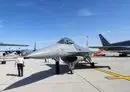
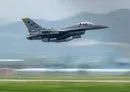
![A US Air Force F-16 Fighting Falcon pulls through a banked turn, demonstrating the versatile performance that has made it the world's most common fixed-wing military aircraft. [US Air Force]](/ssc/images/2026/03/26/55118-_91e__f-16_viper-600_384.webp)
Operation Epic Fury, launched on February 28, 2026, demonstrated the exceptional capabilities of the F-16 Block 70 Viper in combat.
A cornerstone of Western airpower since its introduction, the Viper proved its worth once again during critical missions targeting Iranian Integrated Air Defense Systems (IADS).
With cutting-edge technologies like the APG-83 SABR AESA radar, the fighter achieved a decisive edge in contested skies, showcasing precision and lethality.
Unmatched combat legacy meets a new theater
The F-16 Viper entered Operation Epic Fury with an unprecedented combat pedigree, boasting a flawless 71-0 air-to-air victory record over decades of service.
Regional bases deployed the aircraft leading opening strikes against the regime's defenses, leveraging its sophisticated radar suite with a detection range of around 300 kilometers.
These capabilities enabled pilots to identify and neutralize targets with unmatched speed while operating beyond reach of Iranian ground controllers.
Sharing extensive software similarities with fifth-generation platforms like the F-35, the Viper demonstrated advanced battlefield awareness and situational superiority.
Between March 1 and March 4, Iranian IADS were systematically dismantled through the F-16's advanced Suppression of Enemy Air Defenses (SEAD) capabilities.
Armed with AGM-88 HARM and upgraded AARGM missiles, Viper pilots neutralized radar sites and surface-to-air missile threats swiftly.
Autonomous targeting systems compressed the kill chain, denying Iranian operators the opportunity to shut down or reposition assets.
By eliminating key defensive positions, F-16 packages created a permissive environment, paving the way for follow-on coalition strikes with reduced operational risk.
Precision strikes and air superiority success
With air defenses subdued, F-16 missions shifted focus to precision strikes on high-value targets between March 4 and March 7.
Equipped with GBU-39 Small Diameter Bombs and JDAMs, the aircraft destroyed critical infrastructure, including hardened command centers, logistics hubs and weapons storage facilities.
Long-range standoff munitions like the AGM-154 JSOW enabled pilots to neutralize heavily defended sites safely, maximizing damage per sortie while minimizing exposure to threats.
The Viper's 17,000-pound payload capacity allowed strike teams to deliver concentrated firepower with flexibility.
Air superiority missions continued throughout the campaign, with F-16 pilots maintaining uninterrupted Combat Air Patrol (CAP) duties to protect strike groups.
Armed with AMRAAMs and Sidewinder missiles, the Vipers intercepted multiple Iranian fighters attempts between March 5 and March 8, ensuring coalition operations proceeded without disruption.
The aircraft's superior speed and agility disoriented enemy forces, preventing meaningful threats from developing.
By March 9, 2026, Operation Epic Fury reaffirmed the F-16 Block 70 Viper as the world's most combat-proven multirole fighter.
Its unmatched versatility, from SEAD to air superiority, reinforced its legacy as a cornerstone of modern airpower in a new theater of conflict.
It is known to the whole world that American fighters are the strongest and greatest in the world in terms of its highly advanced technology, surpassing the entire world.
Reply