![An interception drone of the MEROPS counter-drone system is seen during tests at the Nowa Deba military training ground, southeastern Poland, on November 18, 2025. [Wojtek Radwanski/AFP]](/ssc/images/2026/03/17/54969-_89__merops-600_384.webp)
The rapid expansion of drone warfare is forcing militaries to rethink traditional air defense strategies across modern battlefields.
Small unmanned aircraft can threaten bases, cities and critical infrastructure at a fraction of the cost of conventional weapons.
The United States is responding with new technologies designed specifically to defeat these emerging aerial threats.
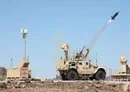
One promising example is the Merops counter-unmanned aircraft system (C-UAS), a mobile defense platform built to intercept hostile drones.
Rather than relying solely on expensive surface-to-air missiles, the system launches interceptor drones designed to hunt and destroy incoming unmanned aircraft.
A drone designed to destroy other drones
The Merops counter-UAS system is built around three primary components that work together to identify and intercept airborne threats.
These elements include a ground control station, a pneumatic launcher and the AS3 Surveyor interceptor drone.
Sensors detect and track approaching drones while operators monitor engagements from the mobile command station.
Once a threat is identified, the system launches the Surveyor interceptor to pursue the target.
The Surveyor is a small fixed-wing drone designed specifically to intercept hostile unmanned aircraft.
It uses onboard sensors and guidance systems to track and close in on the target.
Operators can control the interceptor directly or allow it to autonomously complete portions of the engagement.
The interceptor ultimately neutralizes the threat by colliding directly with the approaching hostile drone.
The interceptor is designed to remain far less expensive than traditional missile interceptors used in air defense systems.
This cost advantage is critical when defending against large numbers of inexpensive attack drones.
Combat experience and growing NATO interest
The Merops system has gained significant operational experience defending against drone attacks during the war in Ukraine.
Ukrainian forces have used the counter-drone technology for more than 18 months to defend against waves of attacking drones.
US Army officials say the system has proven particularly effective against Iranian-designed Shahed drones used by Russian forces.
According to military officials, Merops interceptors have destroyed roughly $200 million worth of Shahed drones.
Those successful engagements were achieved by using approximately $15 million worth of interceptor drones.
The favorable cost ratio highlights the value of using low-cost interceptors against mass drone attacks.
Interest in the system is also expanding among NATO allies facing growing drone threats along Europe's eastern flank.
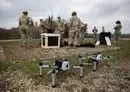
Military personnel from the US, Poland and Romania recently conducted training exercises using the system in southeastern Poland.
The training follows several incidents involving Russian drones entering NATO airspace in the region.
Polish and Romanian officials have both reported drone incursions connected to the ongoing war in Ukraine.
Officials say systems like Merops provide a flexible and affordable layer of defense against these emerging threats.
As drone warfare continues to evolve, innovations like Merops demonstrate how the US remains at the forefront of developing practical counter-drone solutions.


This is a good article with very valuable information that helps protect the Strait of Hormuz, the waterway through which ships carrying goods, oil, and other commodities pass. These drones, operating with this advanced modern system, keep pace with the demands of the times. They are less expensive than missiles and achieve amazing results in countering drones, and they play their role in protecting the shipping lane and preserving the security and economic safety of the Gulf Arab states. (Mohamed Sabri Hassanin Mohamed). May Allah protect and preserve the Arab countries from all harm!
ReplyI like the article. I'd like to read about such things to stay up-to-date and out of love for information. May Allah reward you!
ReplyVery good
Reply