![Peaceful future urgently needed! Children in Gaza carry water jugs through damaged streets, embodying resilience as international efforts aim to rebuild a safer, more hopeful future. [Abdelrahman Rashad / Middle East Images via AFP]](/ssc/images/2025/12/08/53014-_28__gaza_s_path_to_peace-600_384.webp)
Governance and humanitarian priorities
Regional partner nations are supporting international efforts to secure Gaza's future through governance reforms that prioritize humanitarian relief and civic participation.
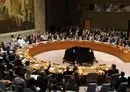
The UN Security Council endorsed a US-backed peace plan establishing a transitional "Board of Peace" to oversee reconstruction and stability.
The plan envisions a technocratic Palestinian administration, excluding Hamas, while ensuring Gazans play a central role in shaping long-term governance.
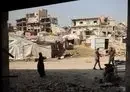
Post-conflict governance is expected to address urgent humanitarian needs, including health care, housing and education, while laying foundations for civic representation.
Analysts, including Omar Shaban of Brookings, stress that governance must reflect the will of Gazans, ensuring their participation in decision-making processes that affect daily life.
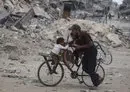
Donor nations fear repeating cycles of destruction and failed reconstruction that have plagued Gaza for decades.
Economic development and civil society
The 20-point Gaza peace plan, supported by regional and international stakeholders, outlines economic revitalization as a cornerstone of stability.
Proposals include establishing a special economic zone, rebuilding infrastructure and creating jobs to restore livelihoods destroyed by years of conflict.
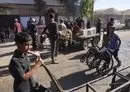
Aid distribution will be coordinated through international agencies to guarantee fairness and transparency.
International stakeholders want assurances that Gaza will not be destroyed again before committing billions in reconstruction funds.
Past failures have left many nations reluctant to invest, underscoring the importance of credible governance structures capable of maintaining security and delivering humanitarian services.
Civil society development is equally critical, with schools, universities and community institutions needing reconstruction to restore education and social cohesion.
International stakeholders argue that empowering Gazan civil society will strengthen resilience, foster civic participation and build trust in governance.
Sustainable stability requires merging humanitarian aid with political representation, giving Gazans real daily improvements while expanding opportunities for democratic participation and meaningful civic engagement.
Regional nations, working with international institutions, view Gaza's recovery as a test of collective commitment to peace and development.
By supporting governance reforms, humanitarian relief and economic revitalization, they aim to help Gazans build a peaceful future rooted in participation and stability.


Thank you
ReplyThere is no life without peace. So, if Christianity [unintelligible], let us make peace with them so that peace may last among everyone and so that we can gather our minds and our strength. We do not need them now, as everything is in our hands, but nobody cares. Allah is the One we seek help from. He is able to restore our usurped rights. We are capable of stopping everything, but we fear for our comfortable life while others live exposed in the open.
Reply