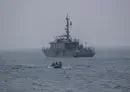
![The Arleigh Burke–class guided-missile destroyer USS Michael Murphy (DDG 112) sails with the Egyptian Navy during exercise Eagle Defender 24 on September 12, 2024. [US Navy]](/ssc/images/2025/12/02/52961-_30__eagle_defender_24_drills-600_384.webp)
The US maintains strong maritime security capabilities designed to rapidly interdict and board foreign vessels suspected of illegal activity.
Through Visit, Board, Search and Seizure operations, known as VBSS, US forces can quickly respond to threats such as piracy, smuggling and unlawful trafficking.
These operations help ensure freedom of navigation and protect mariners at sea.
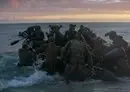
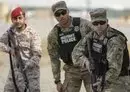
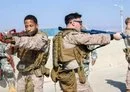
VBSS teams – made up of the US Navy, Coast Guard and Marine Special Operations units – are trained to board, inspect and, when lawful, seize vessels suspected of illicit activity.
The mission supports multiple objectives, including counter-piracy, anti-smuggling, enforcing maritime law and safeguarding at-risk mariners.
Training for VBSS is demanding.
Sailors may volunteer at any rate, then attend a dedicated school covering close-quarters combat, ship-boarding procedures, non-compliant detention, rappelling and maritime rescue techniques.
Once qualified, teams deploy aboard destroyers, cruisers or other vessels equipped for interdiction.
These operations are carried out only under conditions permitted by law.
When authorized, VBSS allows US forces to act decisively against illicit trafficking while preserving maritime safety and supporting the lawful conduct of trade.
Combined with modern tools and disciplined procedures, VBSS remains a cornerstone of US maritime security.
Training and regional partnerships
US maritime readiness is further strengthened through regular training with regional and partner navies.
One example is the bilateral Eagle Defender 24 drill, held in September 2024 in the Red Sea.
The exercise brought together the US Navy, Marine Corps and Coast Guard with the Egyptian Naval Force.
Eagle Defender 24 emphasized the integration of unmanned systems, mine countermeasures, harbor defense and maritime security operations.
The training highlighted the US commitment to regional security and demonstrated how Maritime Unmanned Systems can enhance situational awareness while reducing risk to personnel through autonomous surveillance technology.
These joint exercises improve interoperability and reinforce shared best practices among partner navies.
They also ensure that when a VBSS mission is required, US Maritime Forces and their allies can respond quickly, in coordination and with precision.
With VBSS and its supporting capabilities, the US can address a broad spectrum of maritime threats, from piracy to contraband smuggling, while upholding international norms.
By combining rigorous training, legal discipline and advanced technologies, US forces remain prepared to board and seize vessels engaged in illicit activity.
This readiness protects global maritime commerce, ensures safe passage for legitimate shipping and deters threats to regional stability.
For regional audiences, the message is clear: US maritime security forces remain reliable, capable and ready to act whenever the situation demands.