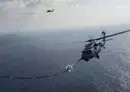
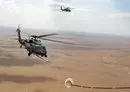
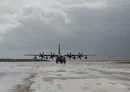
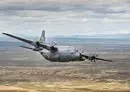
![USAF Pararescue specialist jump from an HC-130J Combat King II aircraft during overwater personnel recovery operations at Lake Mead, Nevada, April 24, 2026. The Rescue Squadron performed a simulated overwater rescue, integrating helicopters, fixed-wing aircraft and pararescue teams during the mission. [US Air Force]](/ssc/images/2026/05/29/56272-_142__us_air_force_pararescuemen-600_384.webp)
Combat Search and Rescue missions demonstrate American resolve, reassuring allies that US forces protect personnel operating throughout contested regions.
When aircraft crews become isolated behind enemy lines, Air Force Pararescue specialists rapidly deploy into dangerous environments to support joint recovery operations.
Widely known as PJs, these elite operators combine advanced medical expertise with specialized infiltration skills required in modern combat emergencies.
Elite training builds an unmatched rescue capability
Air Force Pararescue training pipelines typically span more than two demanding years, producing operators capable of surviving in hostile terrain and severe weather.
Candidates master military free-fall parachuting, combat diving, mountaineering, land navigation and emergency trauma treatment before earning maroon berets.
Pararescue specialists remain certified paramedics throughout their careers, enabling lifesaving treatment during prolonged operations inside austere battlefield conditions.
The demanding standards strengthen American credibility among regional partners seeking technologically advanced forces capable of operating effectively during multinational emergencies.
Combat Search and Rescue missions begin immediately after isolated personnel activate emergency transmitters or establish limited communications with recovery coordinators.
Recovery planners analyze threat conditions carefully before dispatching aircraft, helicopters and specialized personnel into heavily defended operational environments.
The successful recovery of "Dude 44' highlighted pararescue effectiveness after an F-15E crew evaded Iranian forces following a hostile shootdown during Operation Epic Fury.
Joint Force integration powers successful recoveries
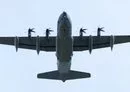
The HC-130J Combat King II frequently serves as an airborne coordination platform supporting rescue forces across enormous operational distances.
The aircraft provides aerial refueling capabilities, extending helicopter endurance during nighttime missions conducted across contested territory and remote maritime regions.
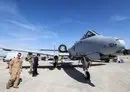
A-10 Thunderbolt II aircraft often deliver close air support, protecting vulnerable rescue teams approaching isolated personnel under hostile fire.
Joint integration frequently includes Navy special operations forces securing landing zones while pararescue teams prepare wounded personnel for evacuation.
Once recovery forces reach survivors, pararescue specialists rapidly stabilize injuries before directing extraction procedures to secure military facilities.
Advanced trauma capabilities frequently determine survival outcomes when wounded personnel require immediate treatment before reaching conventional medical infrastructure.
These operations reinforce allied confidence that American forces remain committed partners in crises that threaten regional stability and collective security interests.
Pararescue specialists continue to adapt tactics and equipment in collaboration with allied militaries, strengthening interoperability in increasingly complex multinational rescue operations.
Their enduring motto, "That Others May Live," reflects an unwavering dedication to supporting American service members operating in dangerous global environments.