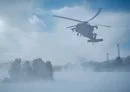
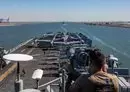
![US Navy SEALs demonstrated a fast-rope insertion from an MH-60S Seahawk helicopter during a capabilities exercise. (Fast-roping is a tactical maneuver used to quickly insert troops into austere terrain in which a helicopter may not be able to land.) [US Navy]](/ssc/images/2026/01/21/53502-_50__fast-rope_insertions_from_mh-60s_seahawk_helicopter-600_384.webp)
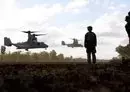
The US military is conducting advanced seaborne air assault training exercises in the Arabian Gulf, showcasing its unparalleled rapid response capabilities for maritime operations.
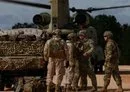
These exercises emphasize the ability to deploy elite forces using helicopters and amphibious craft, enhancing operational readiness for maritime seizures and critical security missions.
The drills include participation from US Special Operations Command (SOCOM) and the Navy's Fifth Fleet, reinforcing joint interoperability with regional partners.
Using air and sea elements, the exercises deter threats in strategic waterways and ensure stability in one of the world's most vital economic corridors.
Training enhances rapid maritime seizure capabilities
A cornerstone of these exercises is the deployment of elite units via seaborne air assault techniques.
This includes fast-rope insertions from MH-60S Seahawk helicopters onto vessels at sea, enabling highly mobile forces to secure targets in record time.
Explosive Ordnance Disposal teams are engaged in these drills, practicing complex maneuvers alongside casualty extractions to simulate high-pressure responses to hostile threats.
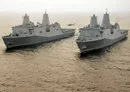
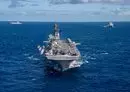
The USS Carl Vinson (CVN-70) has been a critical platform for these air assault operations, supporting a variety of missions that emphasize mobility and precision.
Additionally, SOCOM units practice ship-to-shore amphibious assaults using Landing Craft Air Cushion (LCAC) vehicles, which can traverse shallow waters and soft terrain.
The LCAC operations enhance flexibility and scalability, ensuring forces can adapt quickly to shifts in the environment.
Securing the Arabian Gulf and its chokepoints
The Arabian Gulf, including the strategic Strait of Hormuz, remains a focal point for global maritime security.
These training exercises not only highlight US capabilities but also strengthen cooperation with key allies in the region.
Past joint operations, such as Marine Defender 25, and multinational drills like Eager Lion, underscore the value of regional collaboration in managing maritime challenges.
US forces' enhanced seaborne air assault proficiency complements broader efforts to maintain freedom of navigation and counter potential threats, such as piracy or unlawful seizures.
These robust capabilities demonstrate a sustained commitment to ensuring maritime stability while supporting regional partners in safeguarding critical waterways.
By conducting these drills, the US underscores its readiness to respond rapidly to emerging threats and defend its interests, assets and allies in the Arabian Gulf.
This proactive approach highlights the importance of continuous training, modernized equipment and strategic partnerships in maintaining security in the region's challenging operational environment.