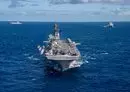
![Marine Expeditionary Unit embarks on an annual exercise that strengthens the Navy-Marine Corps team's ability to respond forward, integrate across domains and sustain Marine Air-Ground Task Force readiness. [US Marine Corps]](/ssc/images/2025/12/18/53113-_15c__titan-600_384.webp)
The US Marine Corps’ Marine Air-Ground Task Force (MAGTF) serves as the cornerstone of its operational structure.
Designed for maximum versatility, MAGTFs enable the Corps to conduct a wide range of operations, from combat missions to humanitarian assistance, either independently or alongside other military forces.
Operating across air, land, sea, cyber, and space, MAGTFs embody the Corps’ expeditionary nature and global reach.
Built around a cohesive, self-sufficient model that integrates ground, air, and logistical elements under a centralized command, the MAGTF framework ensures operational efficiency and flexibility.
This structure empowers units to execute missions in challenging environments without relying heavily on external support.
Structure and core capabilities
Each MAGTF is composed of four key elements working in concert.
The Command Element provides leadership, planning, and coordination while overseeing intelligence and logistics to ensure smooth mission execution.
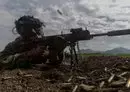
The Ground Combat Element delivers essential land-based fighting capabilities through infantry, mechanized vehicles, artillery, and engineering units tailored to mission demands.
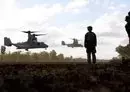
The Aviation Combat Element deploys aircraft for reconnaissance, air support, troop transport, and logistical resupply, using both fixed-wing and rotary assets.
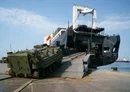
Supporting all other components, the Logistics Combat Element sustains operations with medical support, supplies, transportation, maintenance, and engineering services.
MAGTFs are scalable and adaptable, configured to meet operational requirements ranging from small-scale contingencies to full-scale campaigns.
This modular design allows commanders to tailor force size and composition for any mission.
Types of MAGTFs and their roles
The Marine Expeditionary Force, the largest MAGTF, can deploy tens of thousands of personnel and conduct prolonged operations under the command of a lieutenant general.
The Marine Expeditionary Brigade provides a mid-sized formation suited for amphibious assaults or focused missions and is typically led by a brigadier general or major general.
The Marine Expeditionary Unit, the smallest forward-deployed MAGTF, excels at rapid responses and specialized tasks such as humanitarian assistance, security operations, and amphibious raids.
Led by a colonel, these units often embark aboard Navy ships, enhancing global mobility.
The Special Purpose MAGTF is tailored for unique missions, including counterterrorism or disaster relief, with composition adjusted to the specific task.
Through this integrated and flexible design, the MAGTF ensures the Marine Corps is ready to respond effectively to threats and crises worldwide.
Whether deployed for combat or humanitarian operations, MAGTFs reflect the Corps’ enduring commitment to readiness and mission success.